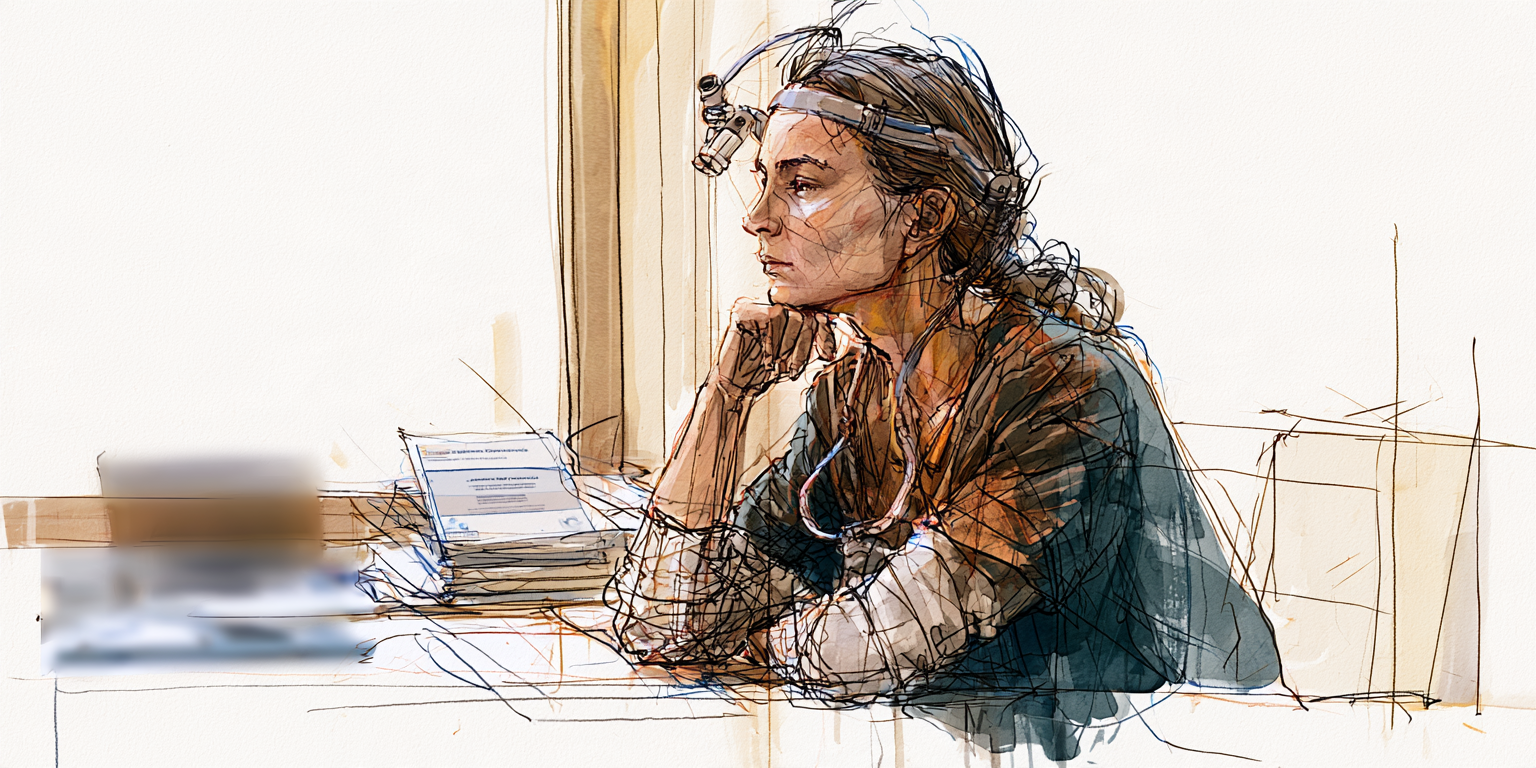
For years I could describe my exhaustion in precise, almost clinical detail to anyone who asked. The dread started after Sunday dinner. I would finish a seminar feeling empty and start looking for the next one to book.
I had named what was wrong long before I accepted any of it. That gap is where nearly every dentist I coach gets stuck.
They arrive having done what sounds like the hardest part. They can say that something is wrong, sometimes in painful detail: the dread, the flatness, the sense of performing a version of themselves that no longer feels accurate. Naming it is rarely where they stall. The stage after it is.
The five stages of The Shift
I built The Shift around five stages because, across my coaching of burned-out dental professionals, I kept seeing the same shape repeat.
- Recognition: naming what is happening and what you feel
- Acceptance: taking responsibility, without blame, and choosing with open eyes
- Clarity: deciding what matters to you now, with what you know
- Decision: testing that clarity against reality
- Integration: living inside the decision until it feels like who you are
It is not a straight line. People move backward as often as forward. It is still a sequence, and each stage depends on the one before it being done properly, not skipped past.
Recognition: the easy part
Recognition is the naming. This is what is happening. This is what I feel. Most dentists arrive at coaching having done this stage alone, often for years, sometimes without knowing that is what they were doing.
It is uncomfortable, and it is also the stage people move through most easily. You can name a feeling in private, without changing anything about your actual life.
Acceptance: where nearly everyone stalls
Acceptance gets mistaken for resignation. For me it starts somewhere more uncomfortable: becoming aware of how I was judging myself for the situation I was in. Once I could see that judgement, I could take responsibility for my part in it, without blame. I could also see the consequences of staying as I was. Then came the choice: accept the situation as it is, or change my circumstances. Either one is acceptance, as long as it is chosen with open eyes.
It also means admitting that the life you built, often over decades, with real sacrifice and real intention, is the life that produced this result. Not a stroke of bad luck. Not a rough patch that will pass by itself. The direct consequence of choices you made, many of them reasonable at the time.
The system plays its part too: targets, contracts, patient volume, a regulator in the background. I am not dismissing any of that. Acceptance asks which part of this I chose and which part I can still move. Blame is the self-judgement. Responsibility is what remains when you put the judgement down.
This is where people stall, because acceptance threatens something recognition does not. Accept it fully and you can no longer wait for circumstances to change on your behalf. A quieter month, a better practice manager, a different contract: none of them will fix what sits underneath. Acceptance removes the last comfortable excuse, and most dentists resist that for as long as they can. I did.
“I could name my burnout for years. I could not accept it until I saw how hard I was judging myself for it.”
Performed acceptance and genuine acceptance
Acceptance is easy to perform. You say the right words and nothing in your life moves. Here is how I tell the difference:
- I can see how I judge myself for this situation
- I take responsibility for my part without blaming myself or anyone else
- I know what staying as I am will cost me
- I am no longer waiting for something outside me to change first
If one of these is missing, you are probably still in recognition with a better vocabulary.
My own years stuck in recognition
I stayed in recognition for years without realising I had not moved past it. In 2012 and 2013 I filled my time with seminars, courses and holidays rather than face one decision: whether to stay where I was, or move five hours away and start again in a small village practice. Each seminar ended the same way. Empty, and looking for the next one.
I had not looked at how hard I was judging myself for being exhausted. I had not accepted that I had built the exact life that was producing it: the pace, the patient load, the version of “successful dentist” I had been performing since my late twenties. I kept waiting for the circumstances around me to shift. They never did, because what needed to shift was my relationship with the situation, and nothing external was going to do that work for me.
When I finally named the decision and was honest with myself about it, the recurring headaches eased. It was a big relief. Another seminar would never have given me that.
Clarity, decision, integration
Once acceptance is genuinely done, not performed, clarity tends to arrive faster than people expect. It is the stage where you stop asking “what is wrong with me” and start asking “what matters to me now, with what I know.” The answer is usually specific and narrow. It is not a grand new life plan, just an honest answer to a few real questions about what the next chapter should contain.
Decision is where clarity meets reality. People imagine this is the hardest stage, and it can feel that way in the moment. In my experience, my own included, it tends to be faster than acceptance, because by then the decision has largely made itself. What remains is practical: timing, logistics, how to have the conversations that need having. The decision can be to stay. Staying chosen with a clear head is a very different thing from staying because nothing else seems possible.
Integration is the slowest stage and the one most often skipped in a rush to feel finished. It is the work of living inside the decision long enough that it stops feeling like an experiment. Expect it to take longer than you think. Old identity keeps turning up, uninvited, for months after the decision is made.
Check which stage you are in
If you can describe your situation clearly and still feel stuck, check which stage you are in before assuming you are further along. Four questions help:
- Where am I right now: do I feel lightness or heaviness?
- What decision would I have to make to change that?
- Am I willing to change it?
- What am I learning from staying in a situation that is not healthy for me?
Recognition is loud and easy to mistake for progress. Acceptance is plain, unglamorous work, and it is where I needed the most honest help myself.
If you want to check which stage you are in, the full self-examination, including what I call the Sunday Night Test, is in my book The Shift. It’s free for any dentist who wants it. You can get your copy here.
If you’d rather talk it through, book a free 30-minute conversation with me. Dentist to dentist, no pressure, and no script.
Dr Georgios (Amrishan) Kallivretakis
Dentist with 22 years of clinical experience and ICF-accredited coach (ACC). Coaching burned-out dentists in the UK and US since 2019.